Coding fundamentals for humanists
A course overview
Content from the webinar slides for easier browsing.
The course
Goal
Demystify coding
Give you confidence
Explain foundational concepts
Give you tools for your research
Who should attend?
Anyone without any coding experience who would like to use coding for their research or who is interested in understanding what coding is and how it works.
This course is particularly useful as a prerequisite to other DHSI courses using Python.
Overview
Core concepts of programming languages
Introduction to JupyterLab
Basics of Python
Using LLMs to write code
API querying in Python
Web scraping with Python
Your turn: get data from a website
Presentations: share what you learnt
In practice
Website
Each year we build a website. This makes it easier for attendees to follow along, copy code snippets, etc.
The sites never get taken down so attendees can rely on them to find information later on.
Presentation
We start the course with a presentation explaining the concepts:
Hands-on
Then move to hands-on:
JupyterLab
We use the free and open-source JupyterLab as an interface to Python to make it easier to play with code:
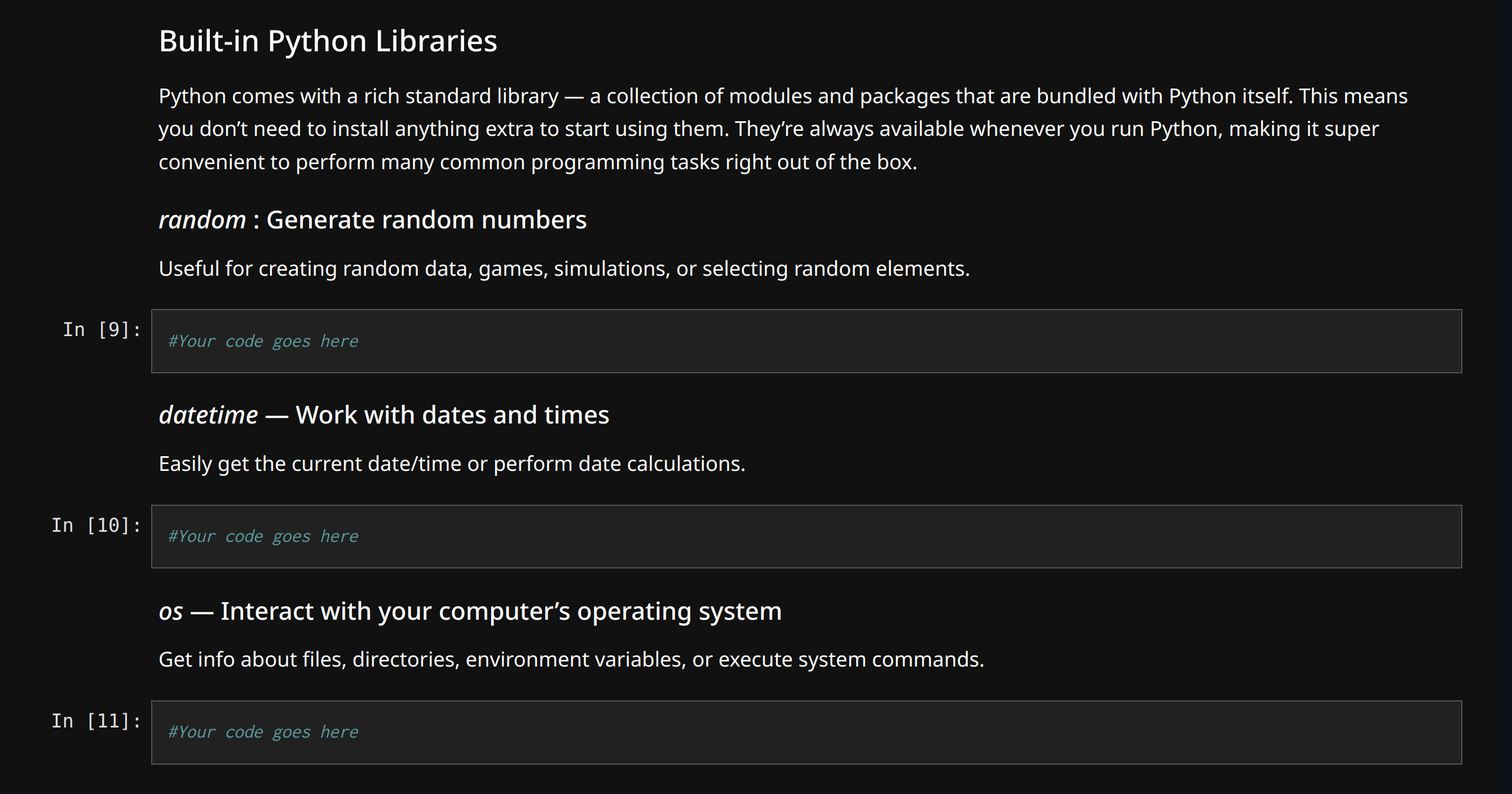
We pre-write the notebooks
Example of empty notebook:
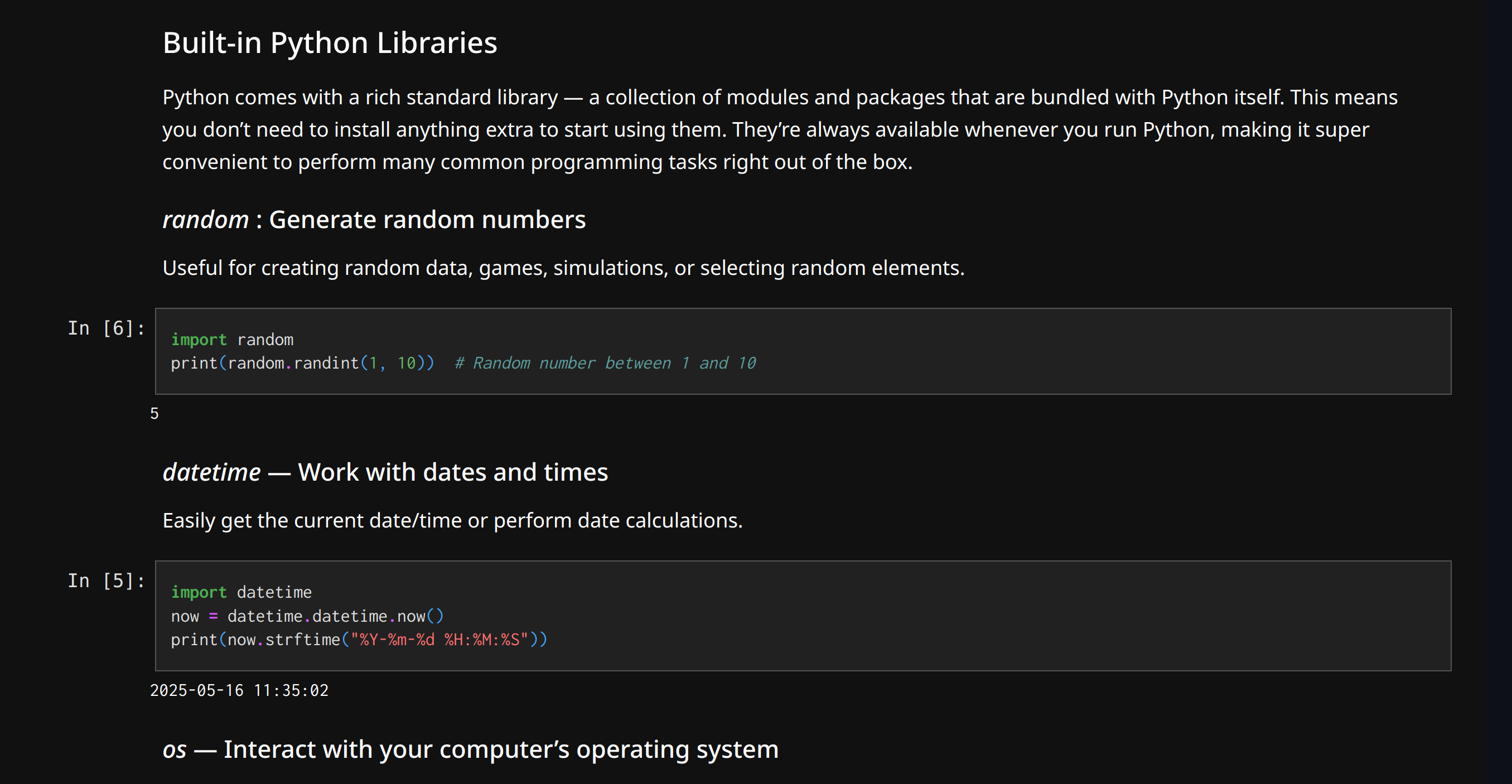
And we let you fill-in the code
Example of completed notebook:
Guidance on using LLMs
When used well, large language models can allow students:
- to be much more independent,
- not to get frustrated over small road-blocks,
- to go much further faster,
- to keep learning on their own,
- to be able to apply Python to their research.
We will show you what works and what doesn’t when using LLMs to write code.
What you will be able to do
End of course projects
At the end of the course, attendees work in pairs on a project of their choice (which can be their own research) with our help.
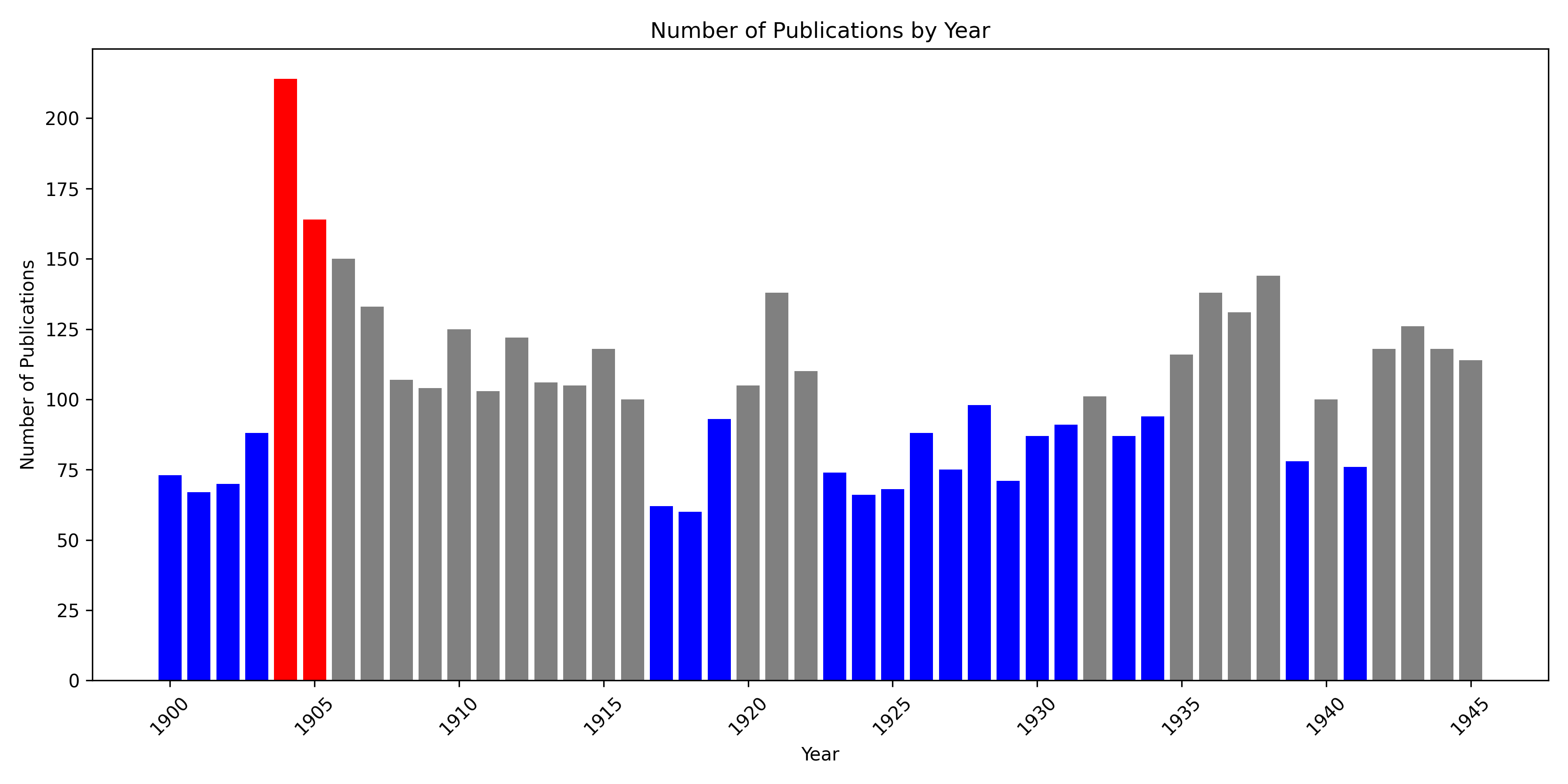
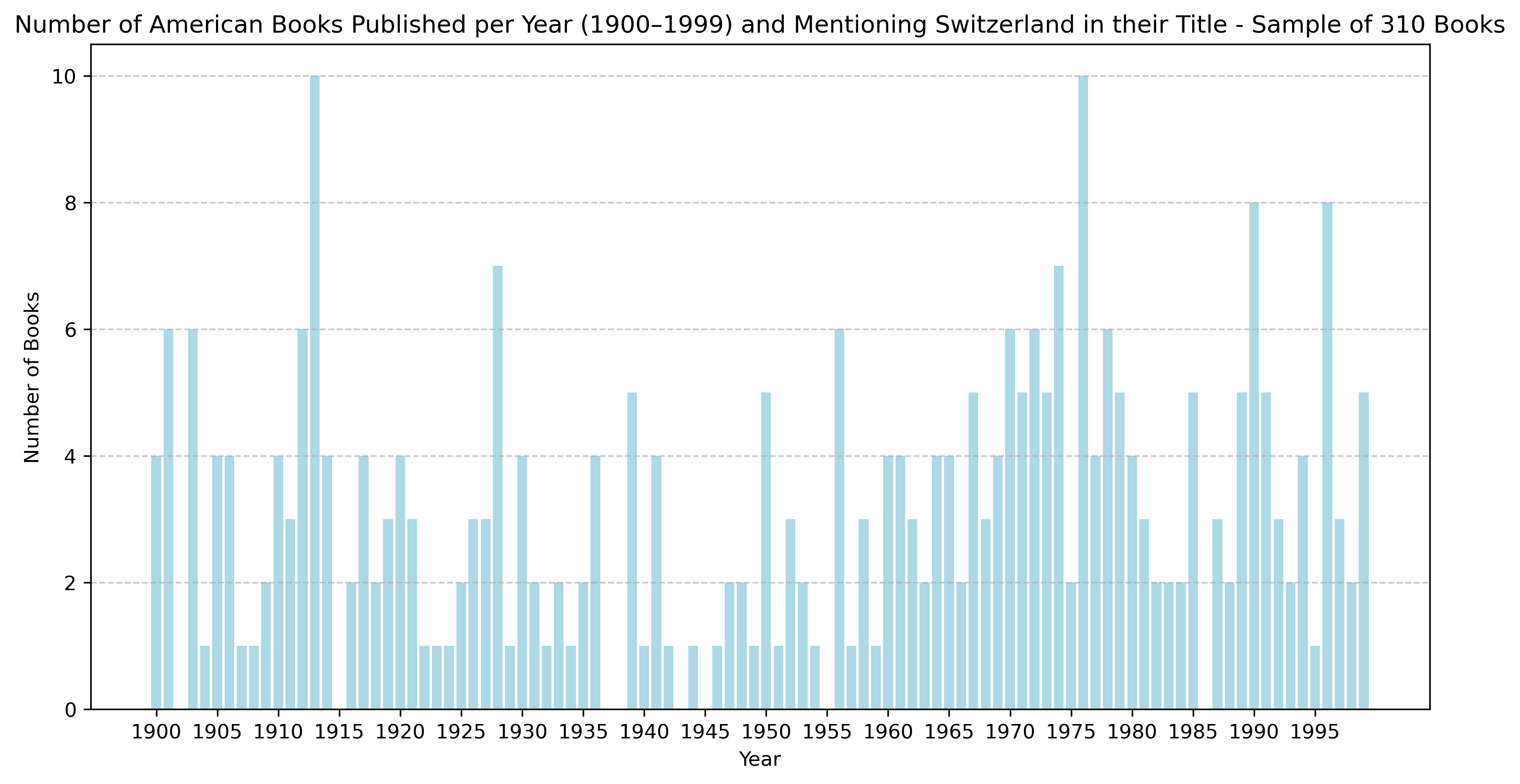
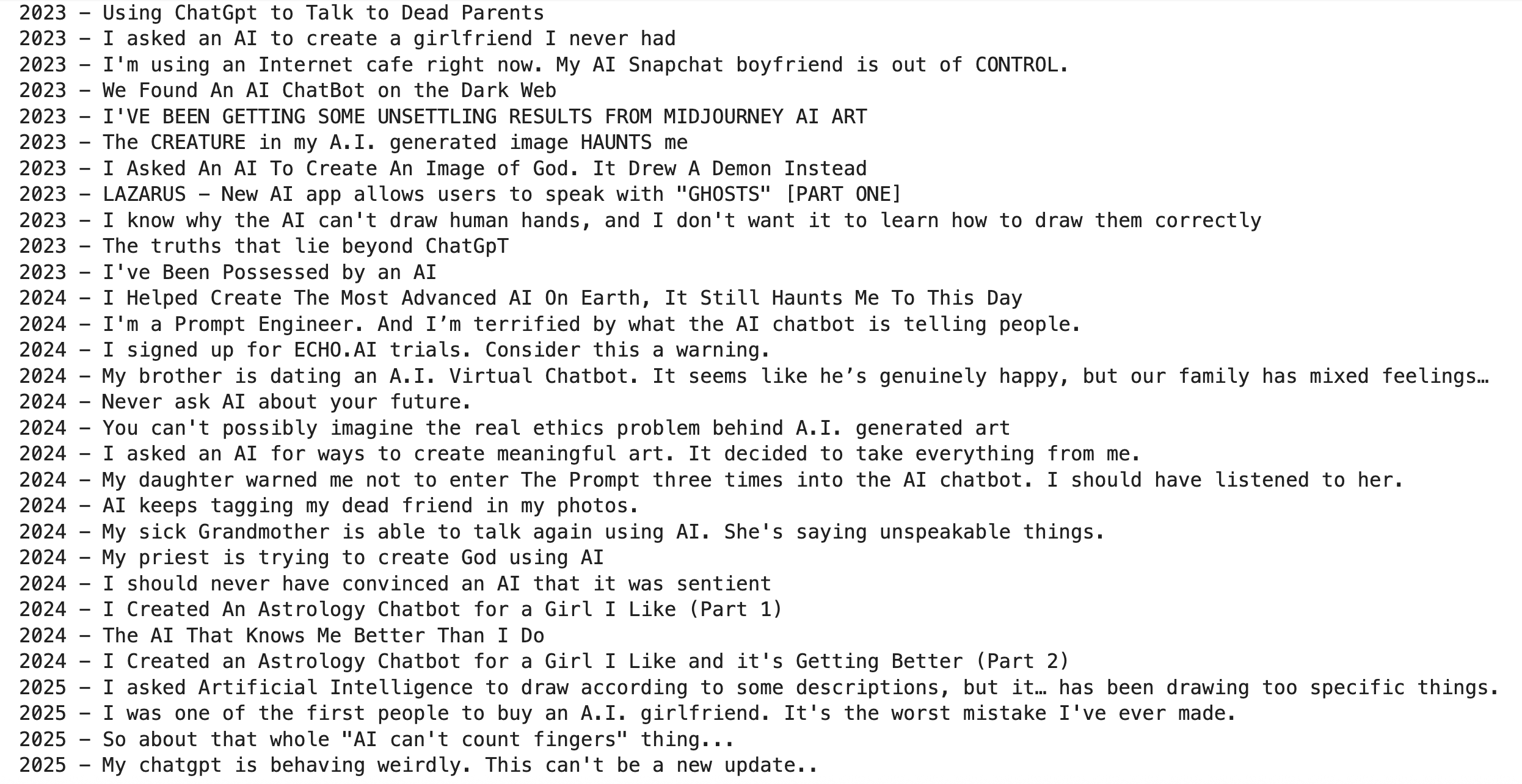
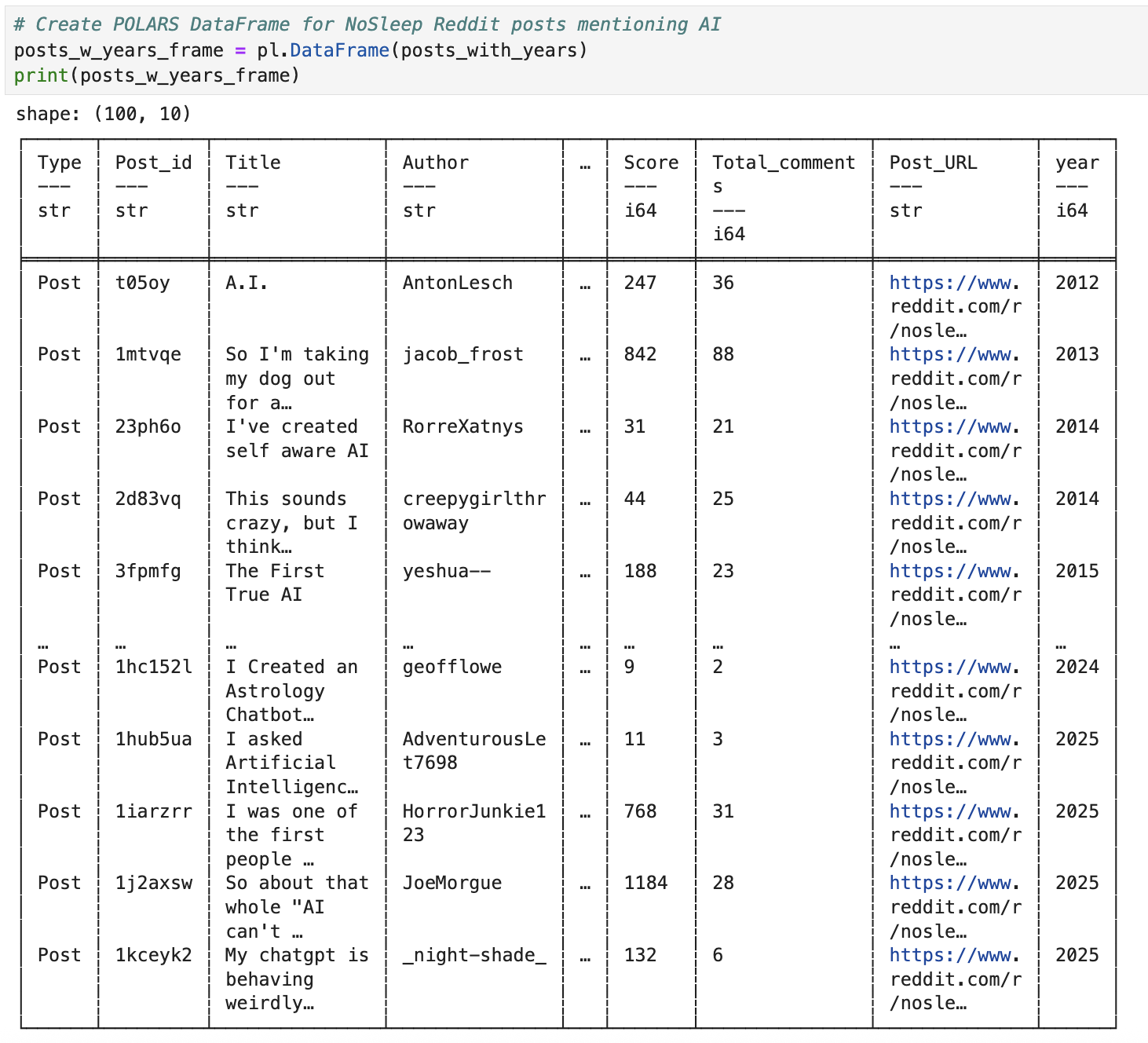
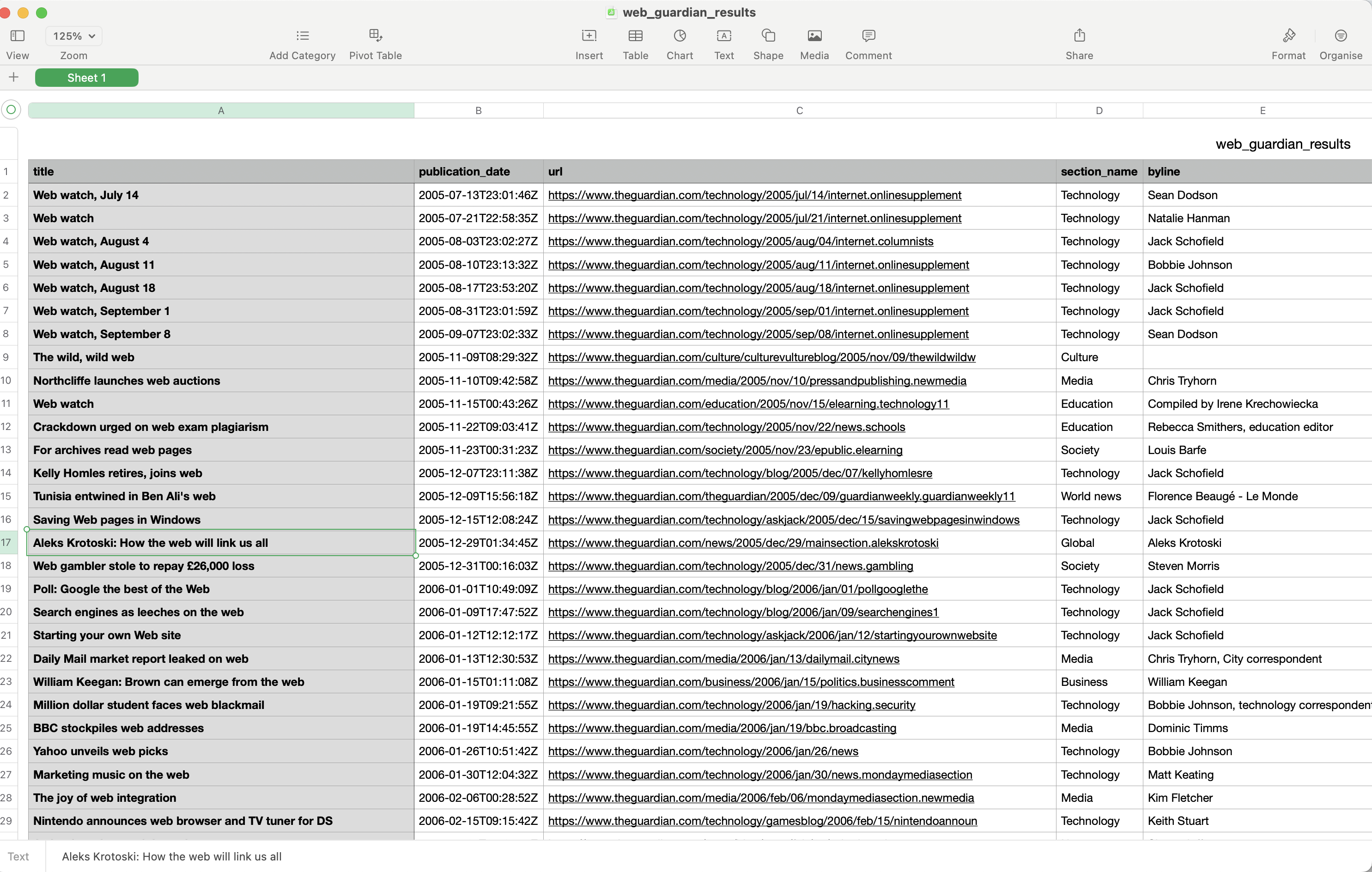
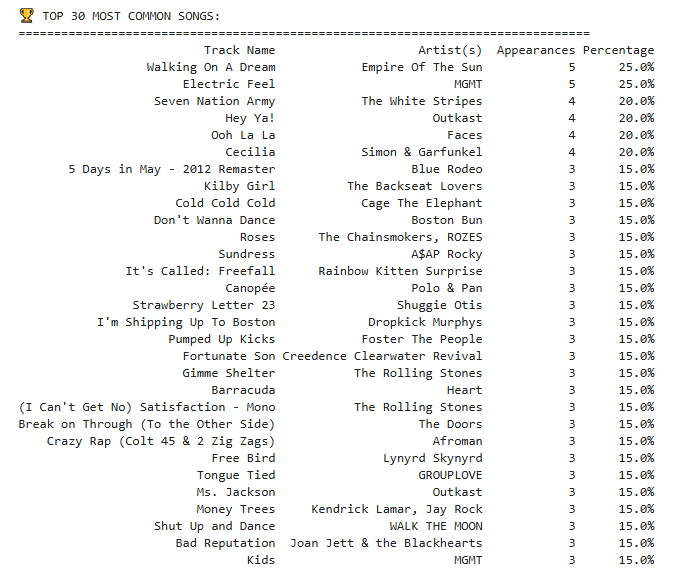
Following are samples of data our past students successfully scraped from various websites.
Guardian archives
Spotify playlist
Numbers of published books